AP Macroeconomics
Sticky Wages: Why the Economy is "Stuck" in the Short Run
Sticky wages are nominal wages that do not adjust immediately to changes in the price level, due to contracts, morale, and menu costs. This stickiness causes the Short-Run Aggregate Supply curve to slope upward, because firms can temporarily profit from rising prices before wages catch up.
Printable Cheat Sheets for Every Unit
Everything you need to ace your exam, all on a single page.
Download PDF Cheat SheetsEarly on in Unit 3, we learn that the Short-Run Aggregate Supply (SRAS) curve is upward-sloping. But have you ever stopped to ask why?
The answer lies in a concept called Sticky Wages.
1. What are Sticky Wages?
In a perfect world, if the price of everything in the economy doubled overnight, your boss would immediately double your salary. But in the real world, that doesn't happen.
- Contracts: Many workers have labor contracts that lock in their pay for a year or more.
- Morale: Cutting nominal wages is a great way to make your employees quit or work less.
- Menu Costs: It costs time and money for firms to constantly renegotiate pay.
Because of these factors, nominal wages are “sticky.” They don't adjust immediately to changes in the price level.
2. The Upward-Sloping SRAS Curve
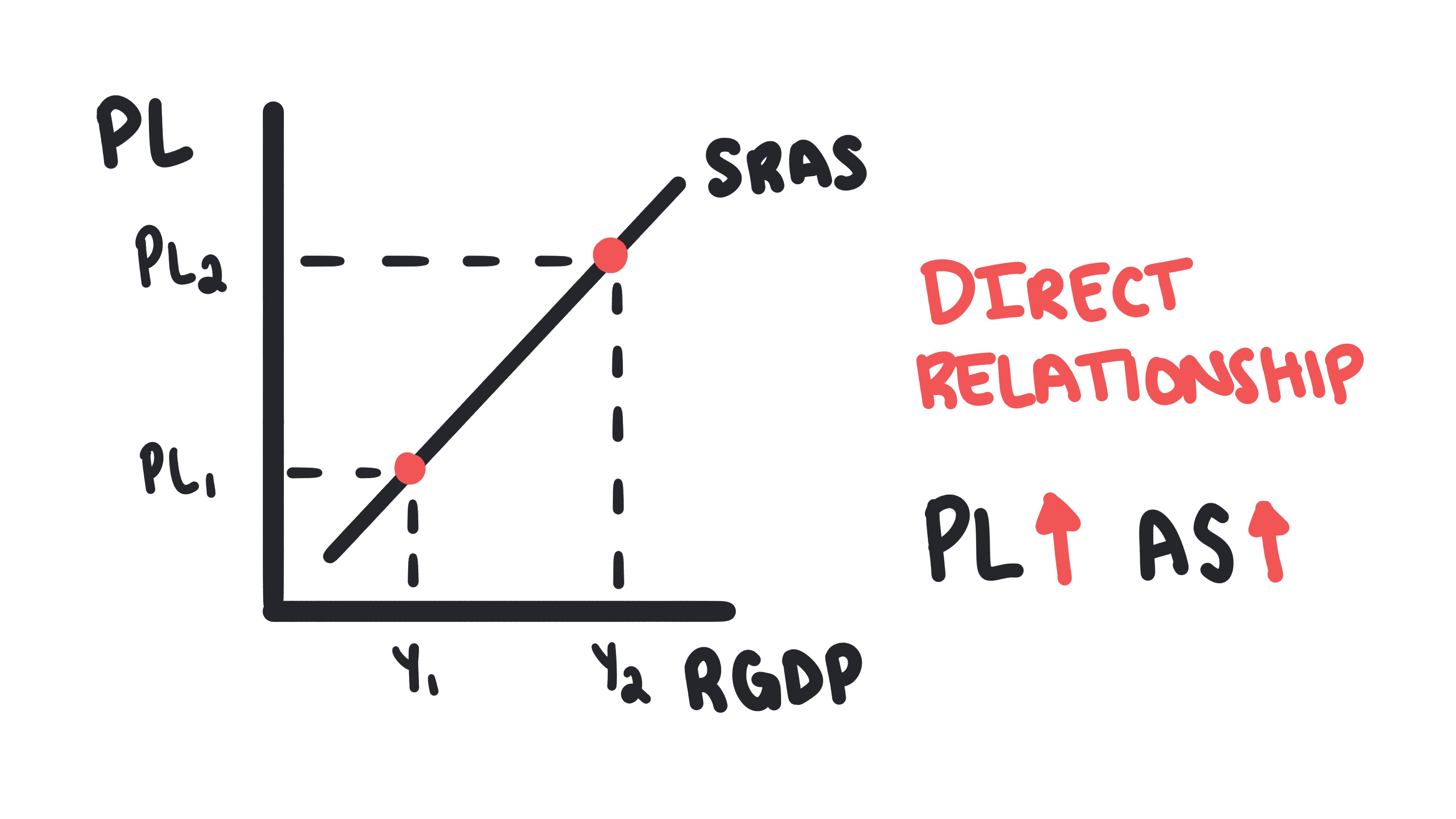
Because wages are stuck while prices are rising, businesses see a massive opportunity for profit.
- The Logic: If the price level (PL) increases, but a firm's labor costs (wages) stay the same, their profit per unit goes up.
- The Reaction: Seeing higher profits, firms hire more workers and ramp up production.
This is why the SRAS curve slopes upward: as the price level rises, the quantity of output supplied increases because firms are “tricking” the system with fixed labor costs.
3. The “Snap Back” to Long-Run Equilibrium
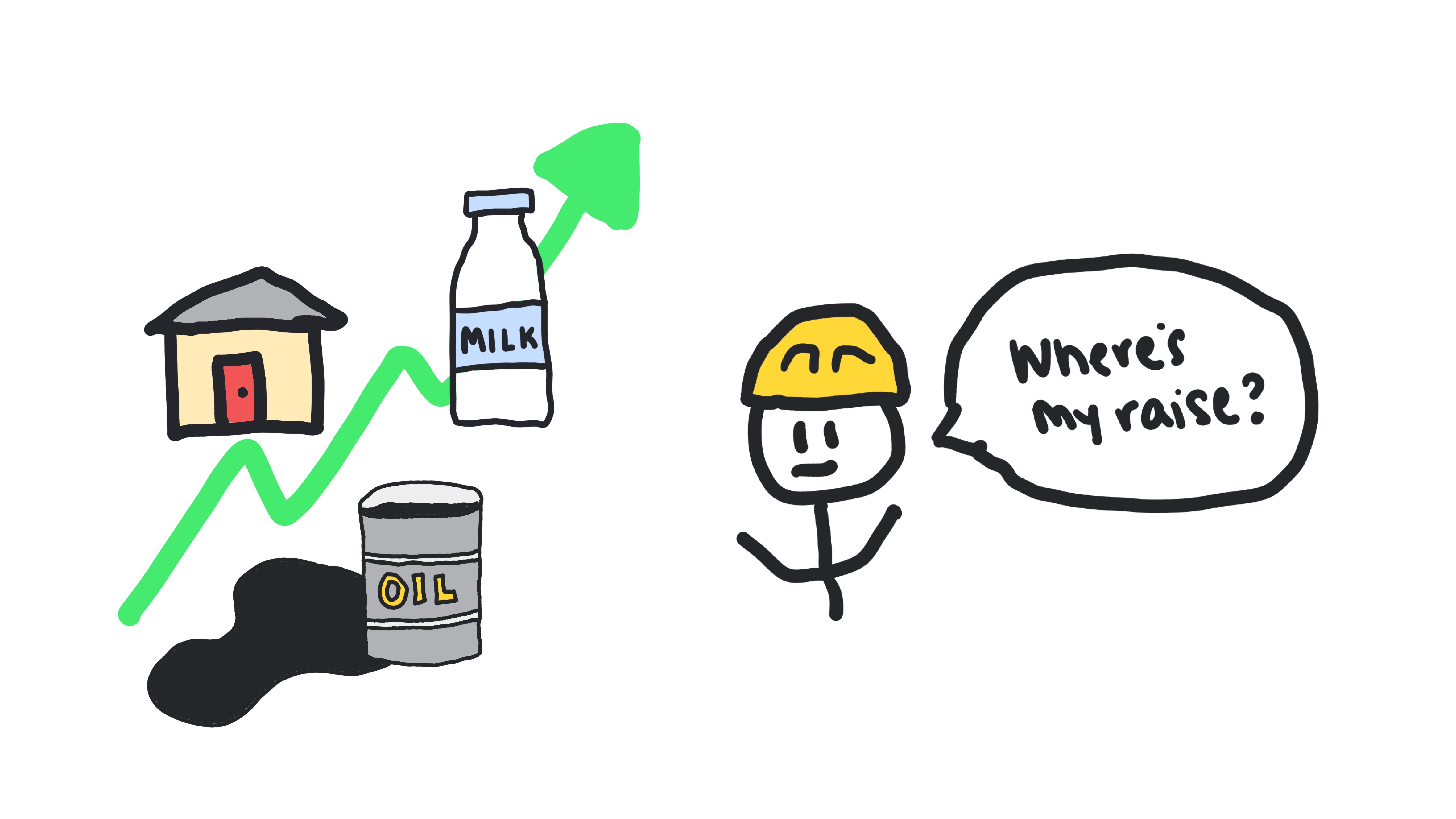
Here is the catch: this increased production is a “temporary high.” It cannot last. Eventually, those labor contracts expire, and workers realize their $20/hour doesn't buy as much as it used to due to the higher price level.
- The Negotiation: Workers demand higher nominal wages to make up for the inflation.
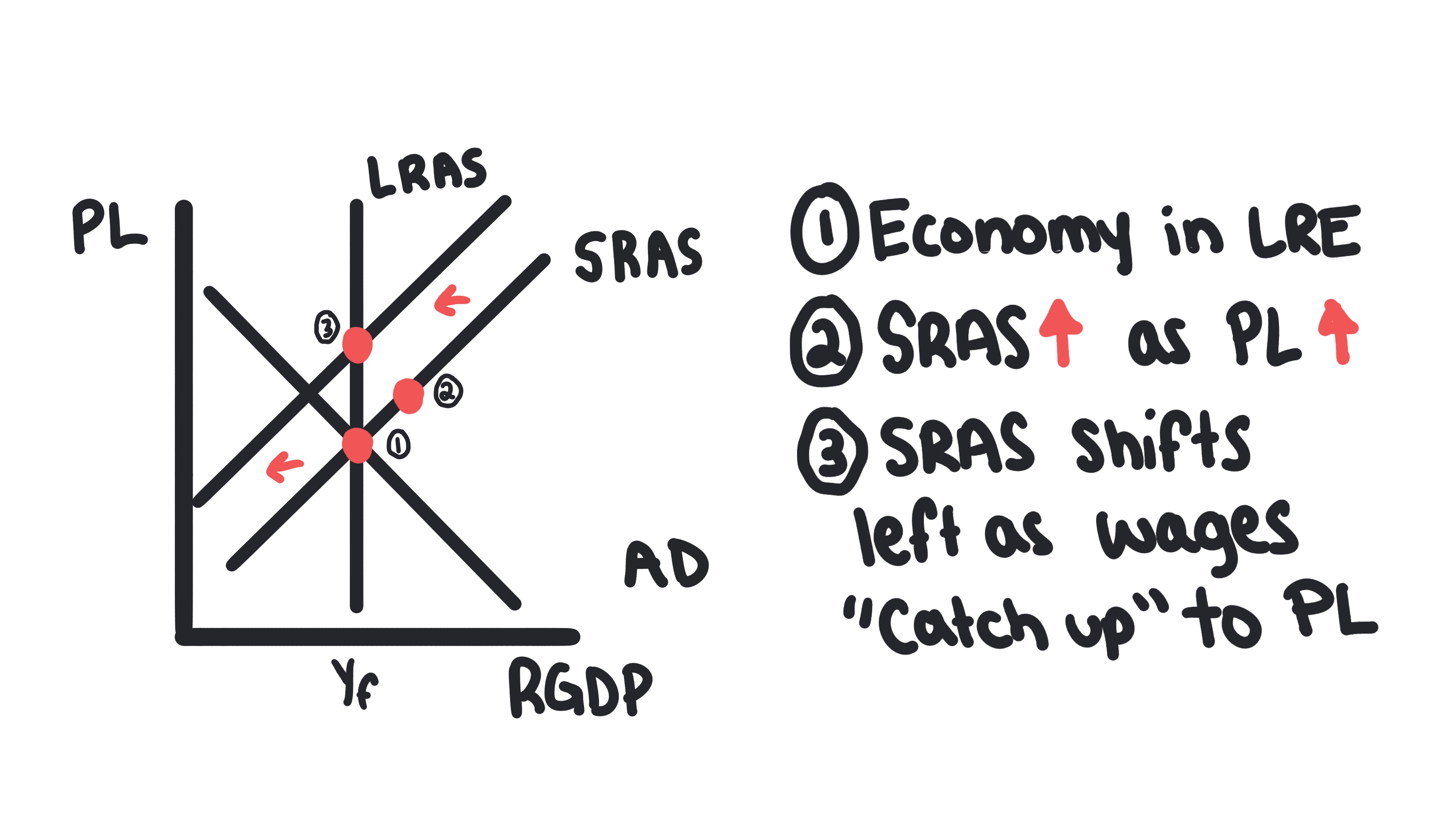
- The Cost Push: As nominal wages finally rise, the firm's costs catch up to the price level. Those “extra profits” disappear.
- The Shift: Higher labor costs cause the SRAS curve to shift to the left (SRAS decreases).
4. The Result: Long-Run Reality
The economy returns to its Long-Run Aggregate Supply (LRAS)—the full-employment level of output (Yf). In the Long Run, the only thing that changed was the Price Level. Output stayed the same.
This is the core insight the AP Exam tests repeatedly: sticky wages explain short-run output changes, but the long run is always anchored to LRAS.
Can You Draw the Shift?
The FRQ will ask you to show the short-run change and the long-run adjustment. Practice drawing both in under two minutes.
Practice the Unit 3 FRQ WalkthroughOur AI-guided tool will check your graph instantly.
Check Your Understanding
Question 1 of 2
Nominal wages are often described as 'sticky' in the short run. This means that: